
What is Lumbar Disc Herniation?
A lumbar disc herniation, commonly known as a slipped or ruptured disc, is a condition where the soft, jelly-like center of a disc in the lower back pushes through a crack in the tough outer layer. This herniation can press on the nerves in your spine, leading to pain in the lower back and legs.
At some point in their lives, 80% of people will experience low back pain, and lumbar disc herniation is one of the most common causes. If you are dealing with sharp pain shooting down your leg, tingling, or numbness, you may have a herniated disc. Orthopedic Institute specializes in diagnosing and treating this condition. Our team of orthopedic experts is here to guide you through every step, from diagnosis to recovery.
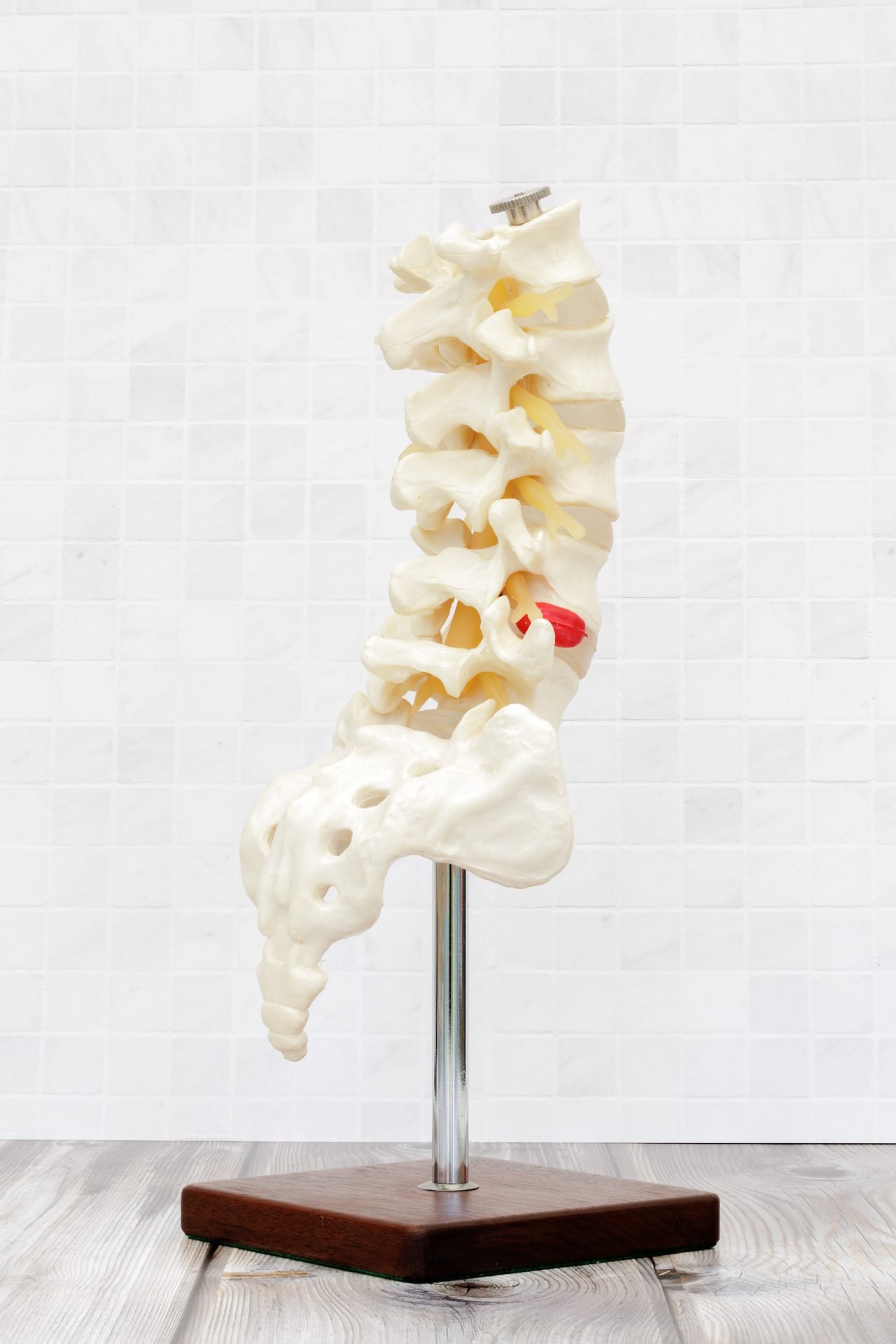
Symptoms: What Does Lumbar Disc Herniation Feel Like?
A lumbar disc herniation can cause a range of symptoms, most commonly pain. The pain can vary in intensity, and it often worsens with certain movements. Here are the primary symptoms:
- Lower back pain: This can feel like a dull ache or sharp, severe pain that is aggravated by bending, lifting, or twisting.Sciatica (leg pain): This is a sharp, shooting pain that travels from your lower back down to your leg, sometimes reaching your foot. It is caused by the disc pressing on the nerves that run down your leg.
- Tingling or numbness: Many people report a “pins and needles” sensation or numbness that runs down the leg. This can affect different parts of the leg or foot, depending on the location of the herniation.
- Weakness: The pressure on the nerves can also cause weakness in the muscles of your leg or foot. You might find it hard to walk, stand for long periods, or climb stairs.
- Loss of bladder or bowel control: In very rare and severe cases, a large herniation can press on the nerves that control your bladder and bowel function, causing incontinence. If this happens, seek immediate medical attention.
If you notice any of these symptoms, especially if they worsen or you experience weakness or incontinence, it’s important to consult an orthopedic specialist at Orthopedic Institute as soon as possible.
Causes: What Leads to Lumbar Disc Herniation?
Several factors can contribute to the development of a lumbar disc herniation. While some people may experience it due to injury or trauma, it’s often the result of gradual wear and tear on the spine. Here are some of the most common causes:
- Improper lifting: Lifting heavy objects using your back instead of your legs can put undue stress on your spine. Twisting while lifting can also increase the risk of disc herniation.
- Excess weight: Being overweight puts additional strain on the spine, particularly in the lower back. Over time, this stress can cause the discs to break down and herniate.
- Aging: As we age, our spinal discs lose water content, making them less flexible and more prone to tearing or rupturing. This natural degeneration increases the risk of herniation, especially in people over 30.
- Repetitive movements: Jobs or activities that involve repetitive bending, twisting, or lifting can weaken the discs and make herniation more likely.
- Smoking: Smoking decreases oxygen flow to the discs, speeding up their degeneration and making them more susceptible to herniation.
- Genetics: Some people may be genetically predisposed to disc problems, making them more likely to experience a herniation.
Men between the ages of 20 and 50 are at the highest risk of developing a lumbar disc herniation, but it can happen to anyone. People who live a sedentary lifestyle or don’t engage in regular physical activity are also more likely to develop this condition, as weak core muscles provide less support for the spine.
Evaluation: How Is Lumbar Disc Herniation Diagnosed?
Diagnosing a lumbar disc herniation typically starts with a physical exam and discussion of your symptoms. Your orthopedic doctor at Orthopedic Institute will assess your muscle strength, reflexes, and sensation in your legs. They may also perform specific tests to evaluate whether a disc is pressing on a nerve, such as the straight leg raise test.
If a herniated disc is suspected, additional tests may be needed, such as:
- X-rays: While X-rays can’t show the herniation itself, they can help rule out other conditions like fractures or narrowing of the disc space.
- MRI (Magnetic Resonance Imaging): An MRI is often the best way to confirm the presence of a herniated disc, as it provides detailed images of the spinal discs and nerves.
- CT Myelogram: For those unable to undergo an MRI, a CT Myelogram may be performed. This test uses a contrast dye and X-rays to highlight the spinal cord and nerves.
Once the diagnosis is confirmed, your doctor will work with you to develop a treatment plan tailored to your specific needs.
Treatment: Options for Lumbar Disc Herniation
Most cases of lumbar disc herniation can be treated without surgery. Non-surgical treatments aim to relieve pain and allow the body to heal itself over time. Here are some common treatments:
- Rest: Taking a short break from physical activities can help reduce pain, but it isimportant to avoid prolonged bed rest. Gradual movement is key to preventing stiffness and further weakening of the back muscles.
- Medications: Over-the-counter pain relievers like ibuprofen can help manage pain and inflammation. Your doctor may also prescribe stronger medications or short-term oral steroids if necessary.
- Physical Therapy: A physical therapist can guide you through exercises designed to strengthen the muscles supporting your spine and improve flexibility. This can reduce pain and prevent future herniations.
- Epidural Steroid Injections: In some cases, your doctor may recommend a steroid injection into the area around the herniated disc to reduce inflammation and relieve pain.
If these non-surgical methods don’t provide enough relief, or if you experience worsening symptoms such as severe pain, muscle weakness, or loss of bladder or bowel control, surgery may be necessary. The most common surgical procedure for lumbar disc herniation is a microdiscectomy, where the surgeon removes the herniated portion of the disc to relieve pressure on the nerves.
Feeling anxious about an injection?
Getting the care you need should not be stressful. Orthopedic Institute now offers nitrous oxide to help you relax during your procedure. Ask your provider today if nitrous oxide could be right for you.
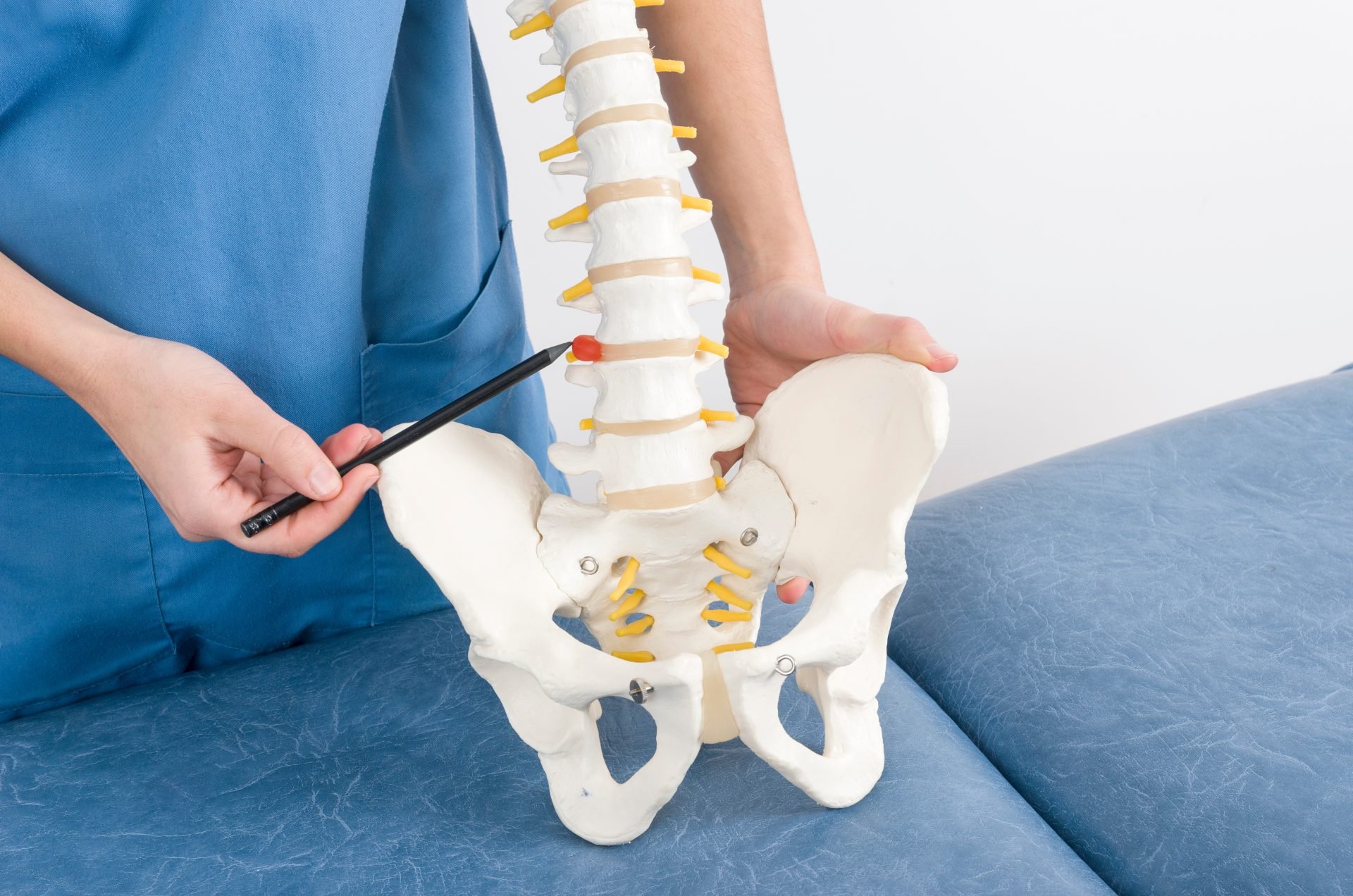

The orthopedic surgeons at Orthopedic Institute are experienced in performing microdiscectomies and other spine surgeries. If surgery is needed, they will explain the procedure in detail and guide you through recovery.
Recovery: What to Expect After Treatment
Recovery time after lumbar disc herniation treatment depends on whether surgery was involved and the severity of your condition. With non-surgical treatments, many people start to feel better within a few weeks, but full recovery can take up to 3-4 months.
If you have had surgery, you may notice immediate relief from leg pain, although some back discomfort may persist for a few weeks. Your doctor will provide guidelines for activity during recovery, including restrictions on lifting, bending, and twisting. It is important to follow these guidelines to prevent a recurrent herniation.
A physical therapy program may also be recommended after surgery to help restore strength, flexibility, and function in your back and legs. The team at Orthopedic Institute will work with you to develop a rehabilitation plan that fits your needs.